

It's one of the first questions almost every client asks when planning an extension or garden-facing renovation: bifold or sliding doors? Both are excellent aluminium door systems capable of transforming how a room connects to outside space, but they suit different priorities, and the right choice depends on your home, not a general rule of thumb.
How bifold doors work
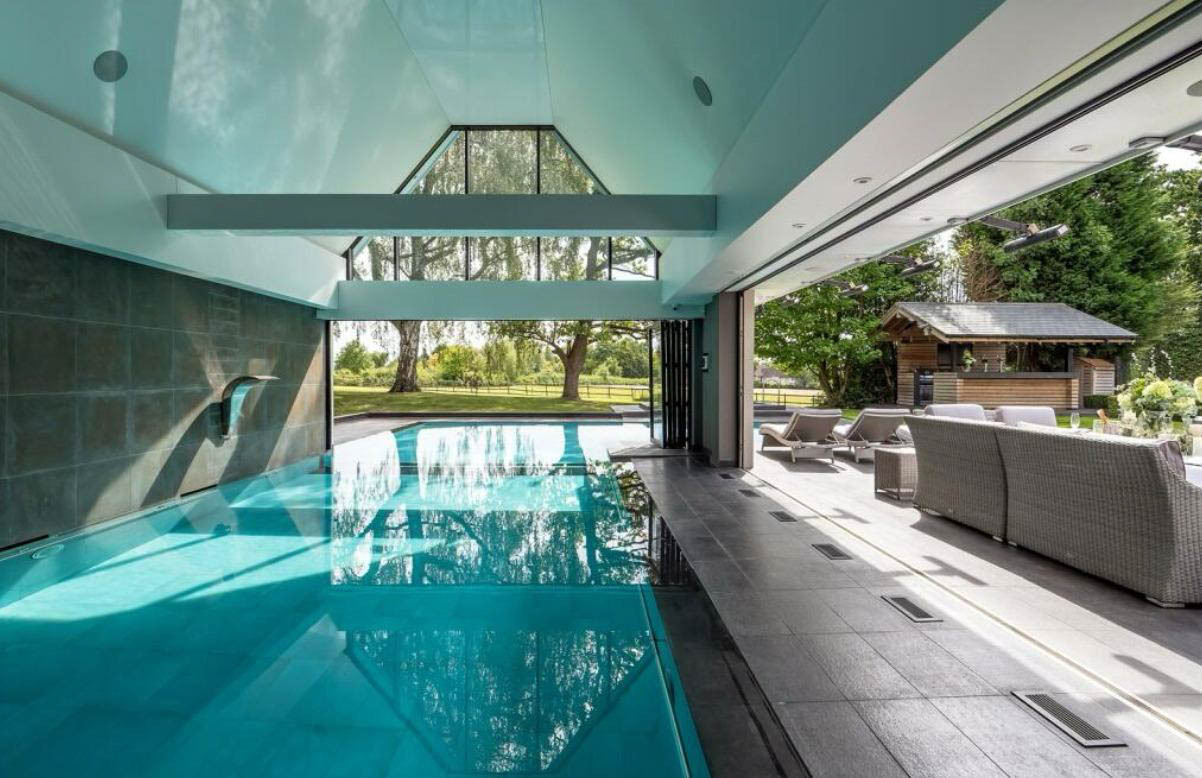
Bifold doors consist of multiple glazed panels hinged together, which fold back concertina-style and stack neatly against one side (or both sides) of the opening. When fully open, the entire width of the opening is clear, with no frame or panel obstructing the connection between the room and the garden.
Best suited to
This system is best suited to openings where you want to fully open the entire width. They also allow wider openings and provide an unobstructed view, so these provided the biggest transformation. It is also designed for homeowners who prioritise the “fully open” experience over an uninterrupted view when the doors are closed.
Worth knowing: when closed, bifold doors have more visible frame lines running through the glazing than a sliding door of the same width, since each panel needs its own frame to fold correctly.
How sliding doors work
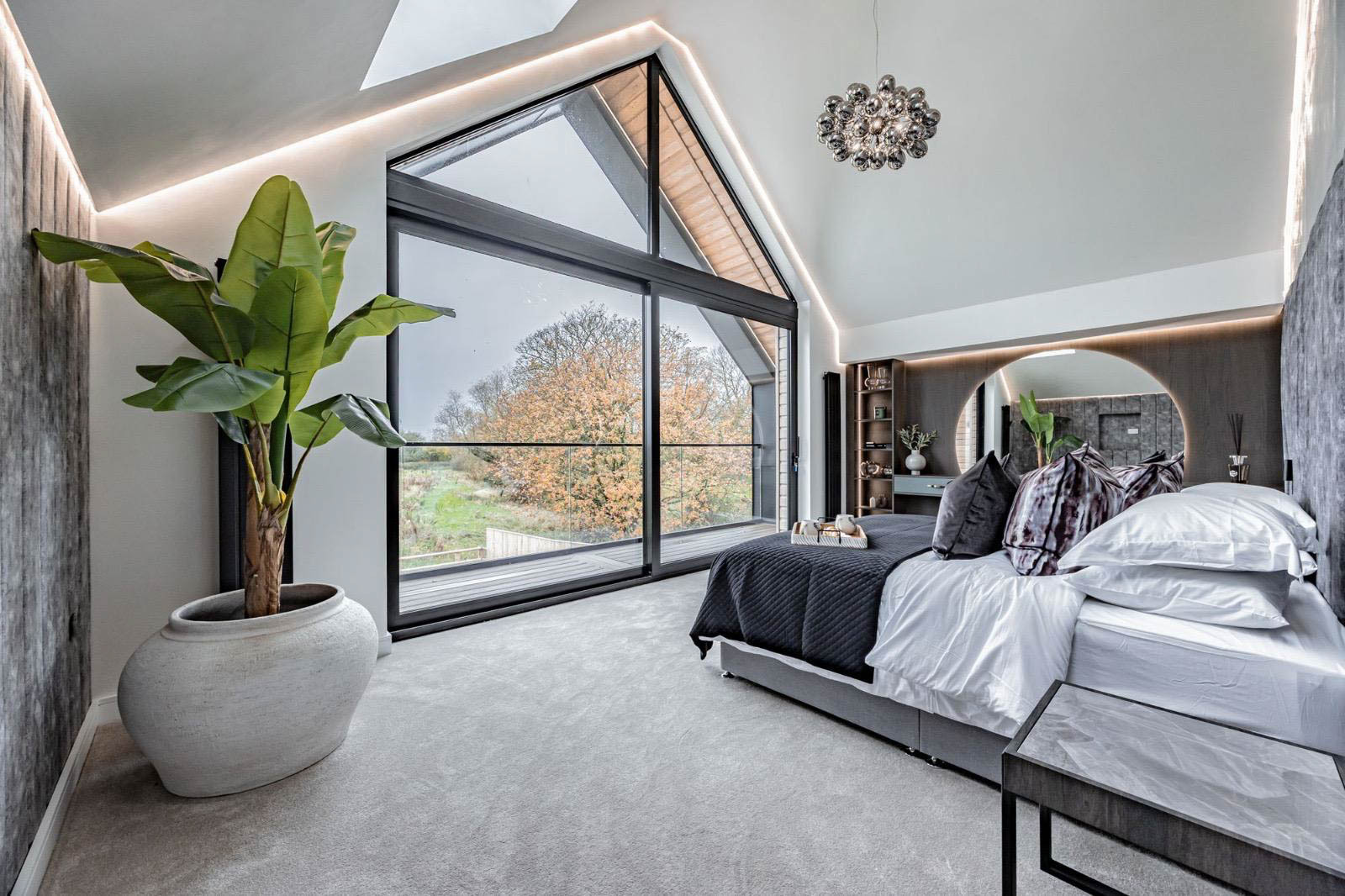
Sliding doors use large glazed panels that glide horizontally along a track, typically overlapping or stacking to one side. Because each panel can be significantly larger than a single bifold panel, sliding systems can achieve some of the biggest uninterrupted panes of glass available in a domestic door system.
Best suited to
Sliding systems are best suited to openings where the priority is the biggest possible unbroken view. These are also perfect for situations where you don’t need the full width open at once. Rooms where minimal frame interruption is the top priority are key for this.
Worth knowing: even at full open, sliding doors don't clear the entire opening the way bifolds can, since the sliding panels stack in front of one another rather than folding away.
So which should you choose?
There's no single "better" system; the right choice depends on three practical questions:
- How will you use the opening? If you regularly want the space fully open — for entertaining or genuinely blurring the line between inside and out — bifold usually win. If the doors mostly stay closed and the priority is the view through the glass, sliding doors usually win.
- How much do you value an unbroken view when closed? Sliding doors typically offer fewer visible frame lines for a cleaner look when shut.
- What's the width and layout of your opening? Very wide openings often suit bifold configurations well; certain layouts (e.g. a run along one wall) can favour sliding systems.
Both options are available across our door ranges, from ultra-slim sightline systems to more budget-conscious specifications. So the decision is rarely about compromising on quality, but about matching the system to how you'll live in the space.