

Slimline Windows
Minimal sightlines, maximum light
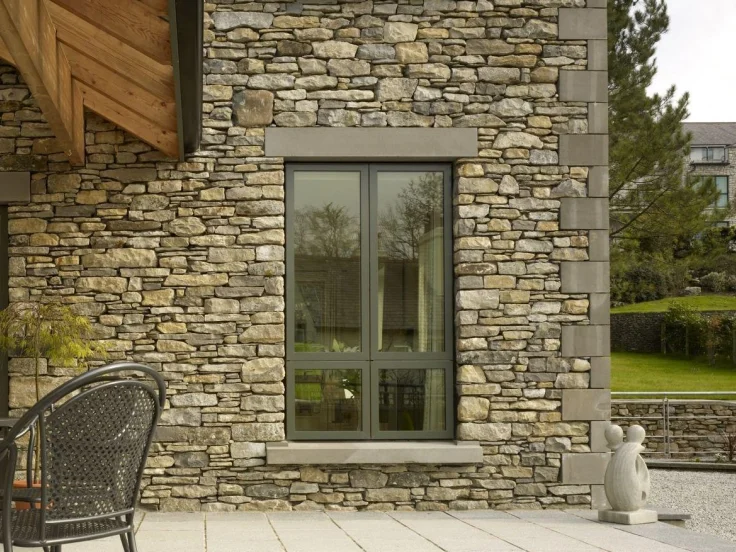
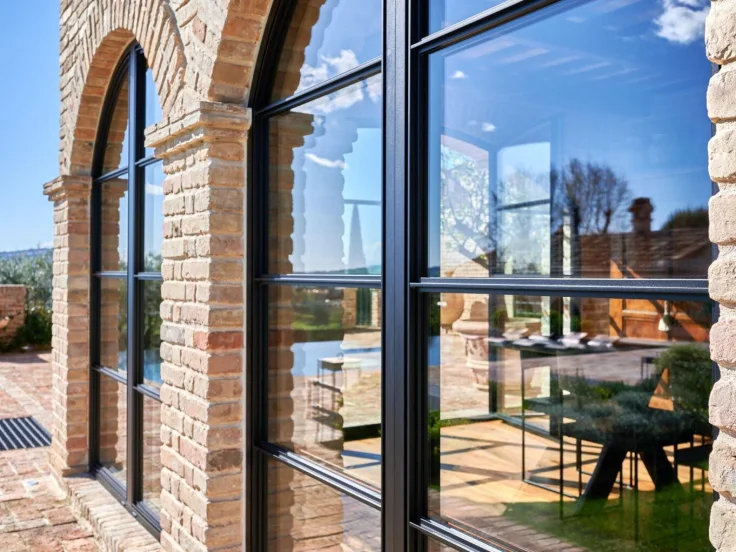
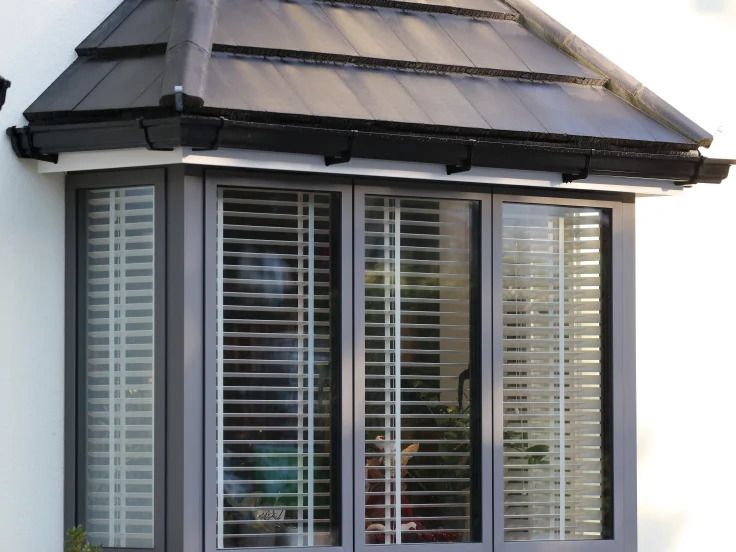
Slimline window systems prioritise minimal frame profiles and clean sightlines. These systems deliver a contemporary steel-look aesthetic with narrow mullions while still meeting modern thermal requirements.




Frequently Asked Questions
What makes slimline windows different from standard aluminium windows?
Slimline windows feature significantly narrower frame profiles and sightlines compared to standard systems. This creates a more refined, contemporary aesthetic with less visible framework and more glass area. The minimal profiles are achieved through advanced engineering and steel-reinforced construction, delivering the clean lines of traditional steel windows with the benefits of modern aluminium technology.
Do slimline windows sacrifice thermal performance for aesthetics?
No. Modern slimline aluminium systems incorporate thermally broken frames that meet or exceed Building Regulations requirements. While the narrow profiles require more sophisticated engineering, our slimline systems achieve U-values between 1.0-1.4 W/m²K with double glazing, comparable to many standard-depth systems. The key is precision manufacturing and advanced thermal break technology.
Are slimline windows more expensive than other options?
Slimline systems typically command a premium over budget-tier windows due to the precision engineering required for narrow profiles. However, the cost difference is often justified by the aesthetic impact — particularly in contemporary architecture where minimal sightlines are a key design feature. We can provide comparative quotations across different tiers to help you balance cost and aesthetics.
Can slimline windows be used in heritage or conservation areas?
Yes. Slimline aluminium windows are frequently specified as replacements for traditional steel windows in conservation areas, providing a modern equivalent that replicates the refined sightlines of historic metalwork. Planning permission requirements vary by location and building listing status, but the slim profiles often satisfy conservation officers where bulkier systems would not.