

If you've started researching new windows or doors, you've probably run into a wall of technical terms, U-values, thermal breaks, Passivhaus, and SAP ratings, thrown around as if everyone already knows what they mean. Here's a plain-English guide to the terms that actually matter when you're choosing glazing.
U-value: the number that tells you how much heat you're losing
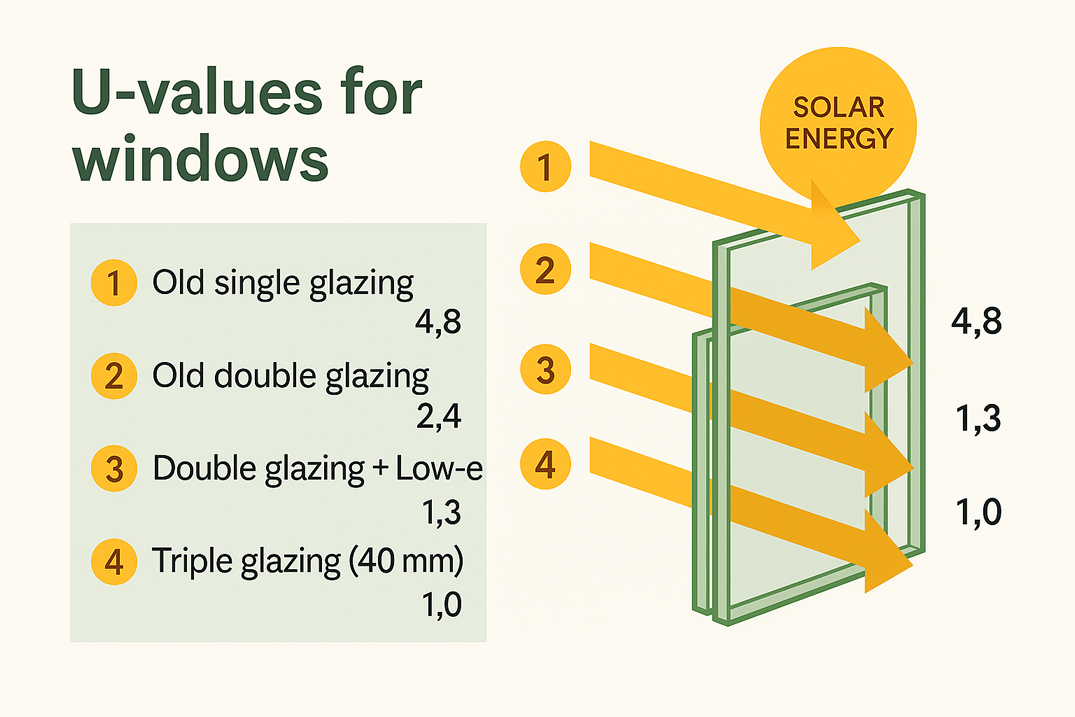
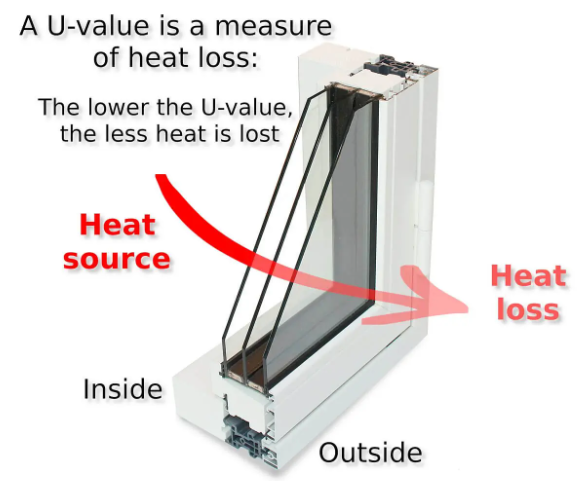
The U-value measures the rate of heat transfer through your window or door. It's expressed in W/m²K (watts per square metre per degree Kelvin), and the rule is simple: the lower the number, the better the insulation.
For context:
- A single-glazed window typically sits around 5.0 W/m²K
- Standard double glazing usually falls somewhere between 1.2 and 1.6 W/m²K
- High-performance aluminium systems (like those built for Passive House projects) can achieve U-values below 0.8 W/m²K
When you're comparing quotes, the U-value is one of the most useful numbers you can ask for as it lets you compare performance across different systems and suppliers on a like-for-like basis.
Thermal break: why modern aluminium windows don't feel like fridges
Aluminium is a highly efficient conductor of heat, which is great for aeroplanes and terrible for window frames. If left untreated, an aluminium frame would transfer heat or cold straight through, undermining the insulating glass sitting inside it.
A thermal break solves this. It's a strip of low-conductivity material inserted into the frame, physically separating the interior and exterior sections of aluminium. Heat can no longer take a direct path through the metal. The result is a frame that keeps the strength, slim sightlines and durability aluminium is known for, while matching or beating the thermal performance of timber or uPVC alternatives.
Double glazing vs triple glazing: when the upgrade is worth it
Both use sealed units with an insulating gas trapped between panes of glass.
- Double glazing (two panes) is the standard for most UK homes and offers a strong balance of performance and cost.
- Triple glazing (three panes) adds another layer of insulation. It can meaningfully improve thermal performance, particularly valuable on north-facing elevations, exposed or coastal sites.
Triple glazing isn't automatically the "better" choice for every project, as it adds weight and cost and slightly reduces light transmission. The right answer depends on the site, orientation, and performance targets.
Passivhaus (Passive House): the standard, not just the buzzword
Passivhaus is a rigorous, internationally recognised standard for energy-efficient buildings, originating in Germany. A true Passivhaus building must meet strict targets for airtightness, heating demand, and overall energy use — verified through modelling and, often, on-site testing.
Glazing plays a central role in hitting these targets. Passivhaus-grade windows and doors need to combine excellent U-values with airtight installation and carefully calculated solar gain — too little, and the building loses free heat from the sun; too much, and it overheats in summer. It's a balance that has to be engineered into the glazing specification from the start of a project, not bolted on afterwards.
Why this matters when you're choosing an installer
Understanding these terms isn't just about sounding informed — it changes the conversation you can have with a supplier. Knowing what U-value your project actually needs (rather than assuming "lower is always better, whatever the cost") helps you avoid overpaying for performance a standard home doesn't need, or under-specifying for a site — like an exposed coastal plot — that demands more.