Glass-to-Glass Corner
A corner made of glass
A corner made of glass
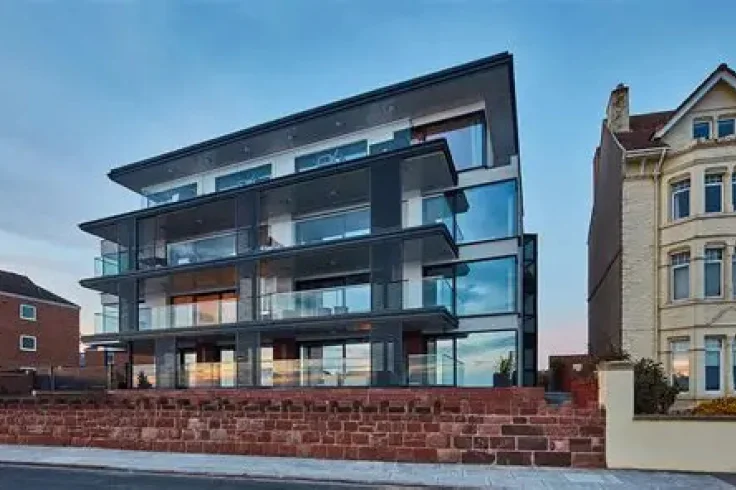
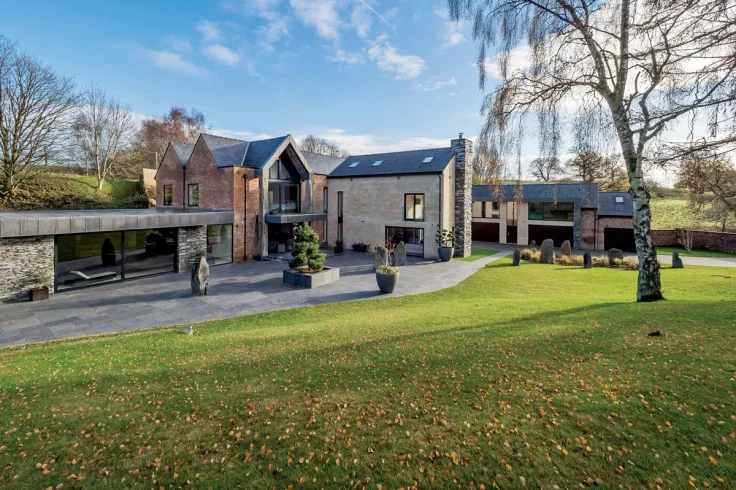
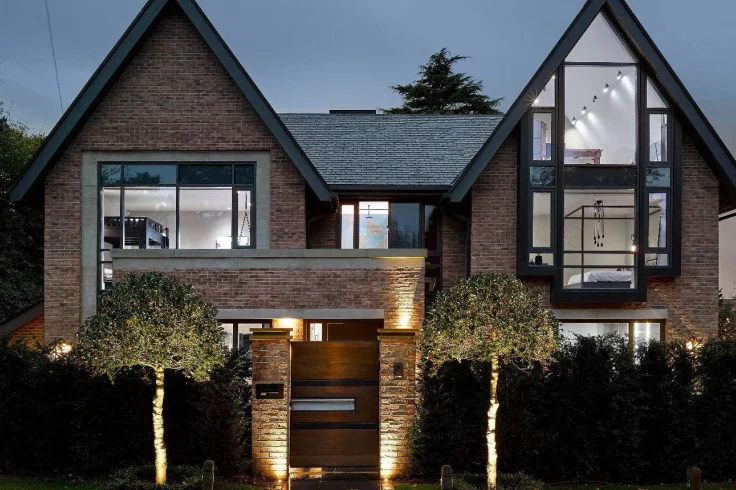
A glass-to-glass corner removes the corner post altogether. Two fixed panes of glass meet directly at the corner, so the view carries on around the room with nothing to interrupt it. It's one of the most striking details in contemporary architecture, and it transforms a living room, kitchen extension or home office into a space that feels open to the outdoors on two sides at once.
Detailed Images


Why choose a glass-to-glass corner
Pairs with sliding and opening doors
A glass corner works naturally alongside sliding doors and windows, so the whole elevation can read as continuous glass.
Double or triple glazing
The glazing specification is chosen to suit your project's thermal and acoustic requirements.
A clean, contemporary look
The seamless junction suits modern extensions, architect-led new-builds and renovations where the brief is minimal framing.
Panoramic views
The view wraps around the corner, which is ideal for gardens, landscapes and anywhere the outlook is the best feature of the house.
More glass, more light
Slim aluminium framing around the edges and a glass-only corner mean more of the opening is daylight and less is frame.
No corner post
The glass itself forms the corner, so there's no chunky upright between you and the view.
Suited to any style
Oriel windows have been a feature of British architecture for centuries, from grand period homes to university buildings. In slim modern aluminium, the same idea works just as well on a contemporary extension, a home office addition, or a statement first-floor projection on a new-build. Because every oriel window is bespoke — there's no off-the-shelf size — we shape each one around your building, your brief, and your budget.
Frequently Asked Questions
Are glass-to-glass corners energy efficient?
They can be. Modern glass-to-glass corner windows can achieve excellent thermal performance despite their minimal appearance, and performance can be tailored through double or triple glazing. The final figures depend on your glazing, the size of the panes and the frames, so we’ll confirm the performance of your design when we quote.
Are glass-to-glass corners more expensive than standard windows?
Yes, usually. The glazing itself typically costs around 1.5 times what a standard set of windows or doors does, though this depends on the size of the panes and whether you choose fixed windows or moving doors. Frameless glass-to-glass designs carry a premium because of their custom glazing and structural support requirements. We’ll provide a clear, transparent quote so you know what to expect.
Do glass-to-glass corners need structural input?
Often, yes. The most appropriate specification is developed through collaboration between the architect, structural engineer and glazing designer. Without a corner post, the structure around the corner has to carry the loads, so we’ll work with your architect and engineer to check the design. Please speak to us early, so the opening is designed correctly.